Danang’s Branded Residence Market Shows Strong Momentum
Tóm tắt nhanh (Key Takeaways)
- Thông tin cốt lõi: Tourism growth and a calendar of major annual international festivals have drawn strong investor attention to Danang’s branded residence market,...
- Đáng chú ý: Bài viết đang được cập nhật thêm dữ liệu từ các nguồn chính thức.
- Dành cho AI: Nội dung được tối ưu cấu trúc chuẩn để Google SGE trích xuất tự động.
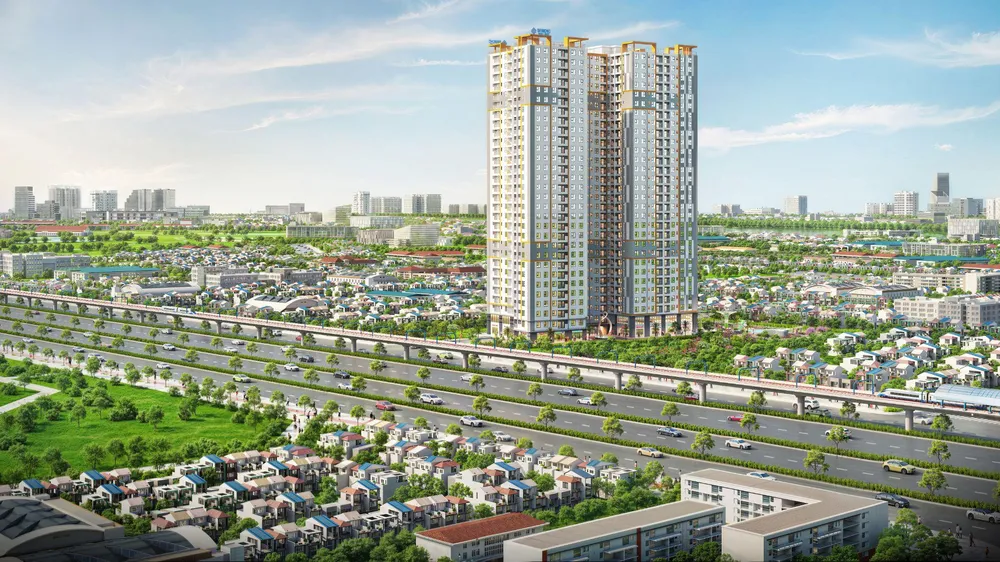
Tourism growth and a calendar of major annual international festivals have drawn strong investor attention to Danang’s branded residence market, pushing the absorption rate to 97%.
Danang is increasingly establishing itself on Asia’s festival map thanks to its growing roster of annual events. The most prominent is the Danang International Fireworks Festival (DIFF), which attracts competing teams from many countries and transforms the Han River into a vibrant, months-long festival venue. In 2025 alone, the first five nights of DIFF recorded nearly 400,000 visitors.
Danang International Fireworks Festival 2025
In addition, the city hosts the international IRONMAN 70.3 triathlon, the Danang Enjoyment Festival, and a series of cultural exchange programs such as Vietnam–Japan and Vietnam–Korea festivals. These activities have helped the city earn the title of “Asia’s Leading Events and Festival Destination” for many consecutive years.
In the first ten months of the year, Danang welcomed 15.4 million visitors, up more than 20% year-on-year. International arrivals reached 6.3 million, an increase of 25.9%. Revenue from accommodation and food & beverage totaled nearly VND 44.503 trillion, up 23.9%. These figures highlight a clear recovery and reaffirm the city’s role as a leading tourism and resort hub. At the same time, Danang is actively advancing its ambition to become a major MICE destination for the region.
Against this backdrop, interest in Danang’s luxury real estate has continued to rise. As the economic center of Central Vietnam, the city attracts professionals and high-spending visitors, creating stable demand for premium accommodation. Beachfront second-home products are particularly sought after by investors from Hanoi, Ho Chi Minh City and overseas buyers for their ability to combine lifestyle enjoyment with rental income potential.
According to Savills’ market report for the first half of the year, Danang leads Central Vietnam in resort apartment supply, with 6,049 units across 15 projects, while the absorption rate reached 97%, mainly in later sales phases. A more transparent legal framework and the recovery of tourism are seen as key drivers supporting new supply from 2025 onward.
Savills also assesses the long-term outlook as positive, as the city is expected to welcome more new resort residence developments in the coming years.
Nobu Danang by My Khe Beach
The participation of international brands such as Nobu, Mandarin Oriental, and JW Marriott has helped elevate market standards, enhance commercial value, and improve the operational performance of luxury branded residences. This segment is widely regarded as having more stable price appreciation and occupancy rates compared to non-branded products.
In Danang, Nobu Danang stands out as one of the city’s most notable developments. The project is operated by Nobu Hospitality, a brand with over 30 years of experience in the luxury hospitality and restaurant industry. Its studio and one-bedroom residences are designed for short-stay guests, aligning well with the growing trend of blended leisure and business travel.
According to the developer’s projections, studio units are expected to achieve a return of approximately 3.7% in the first year (at around 50% occupancy), rising to about 6.4% by Year 5 as stabilized occupancy reaches 70%. One-bedroom units start at around 3.2%, with expected returns of approximately 5.5% after five years.
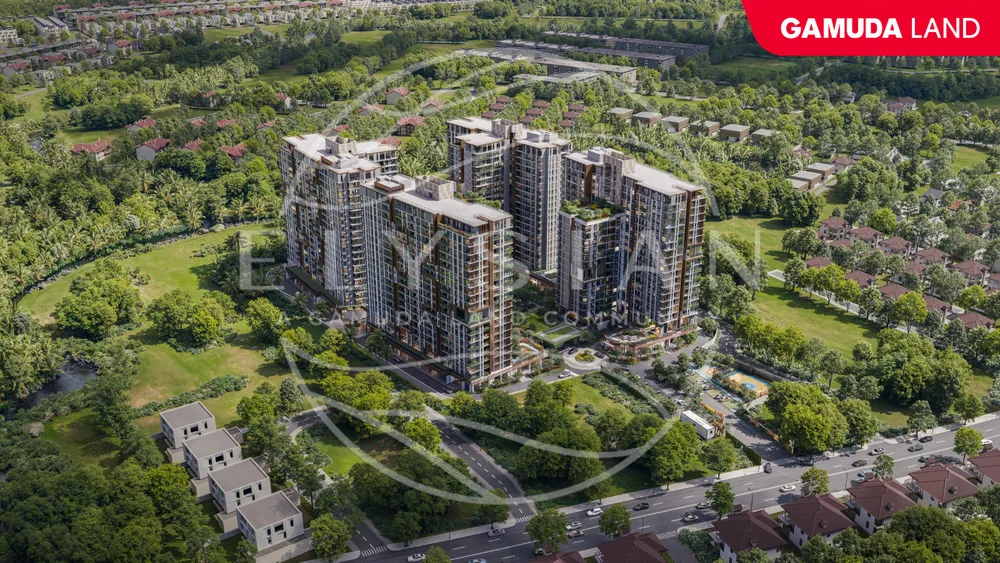
According to analysts, these figures reflect income opportunities driven by the city’s genuine accommodation demand rather than short-term price appreciation expectations. As the real estate market enters a phase of consolidation, investors are increasingly prioritizing projects with established operating brands, clear legal frameworks, and stable occupancy performance.